
Avocado Dyeing: Case Study
Many dyers online have cited that avocado pits and skins are known for creating a blush pink color, although a lot of people have mixed results with the dyeing method. So, I decided to put different methods to the test to see what colors I could create using avocado pits and skins.
Process Overview
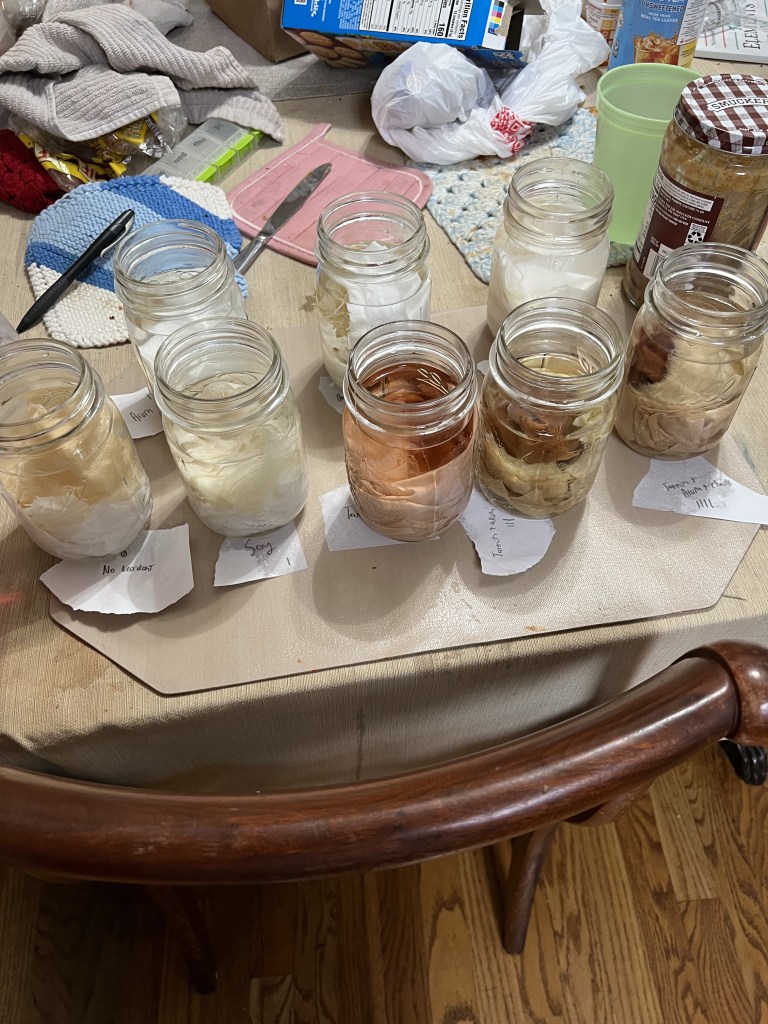
I tested several different mordanting methods for color fastness. I used tannin, alum, chalk, soy, and combinations of those mordants to treat my fabrics. Cotton, linen, Tencel, and silk were the fabrics I tested these methods on.
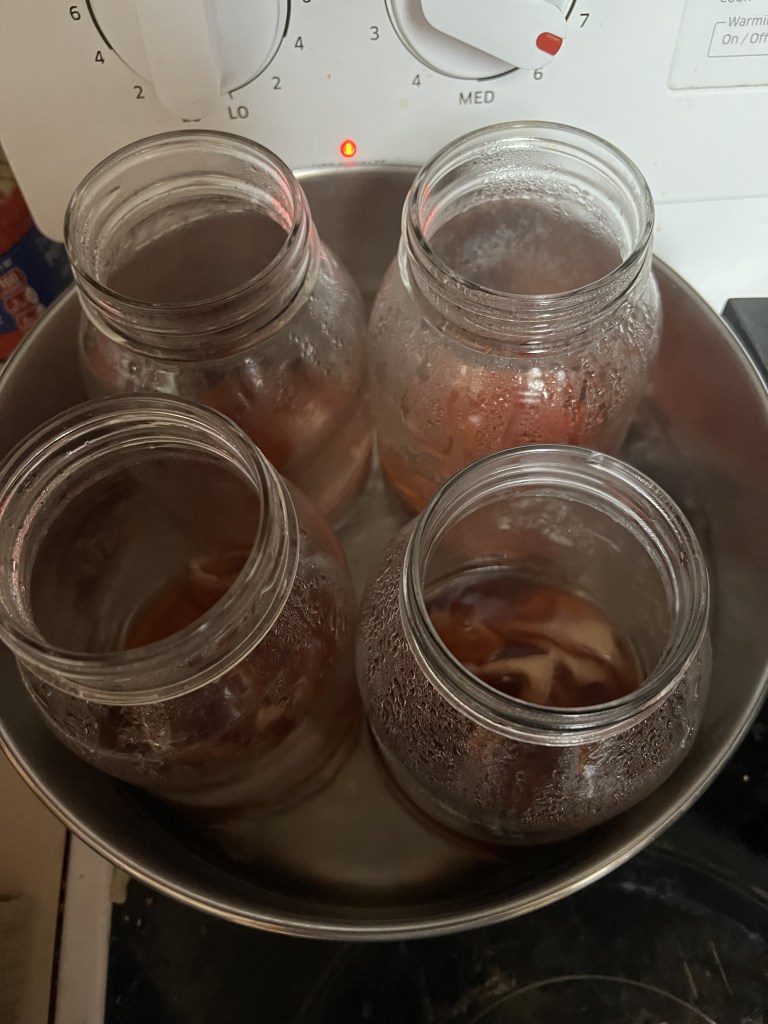
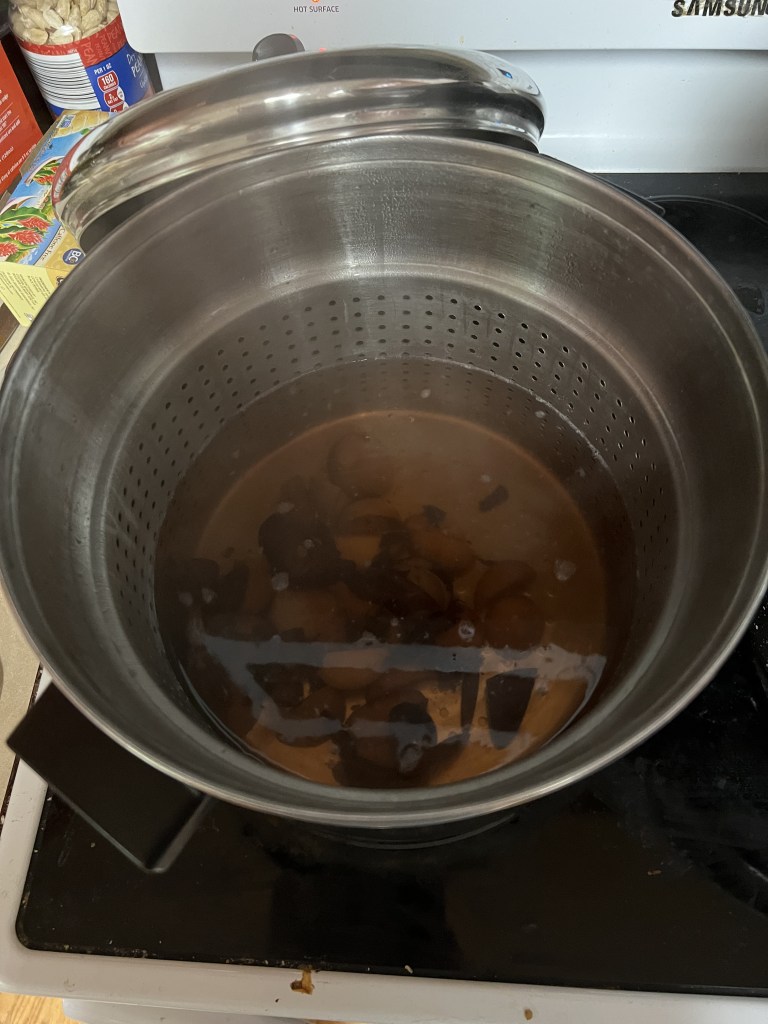
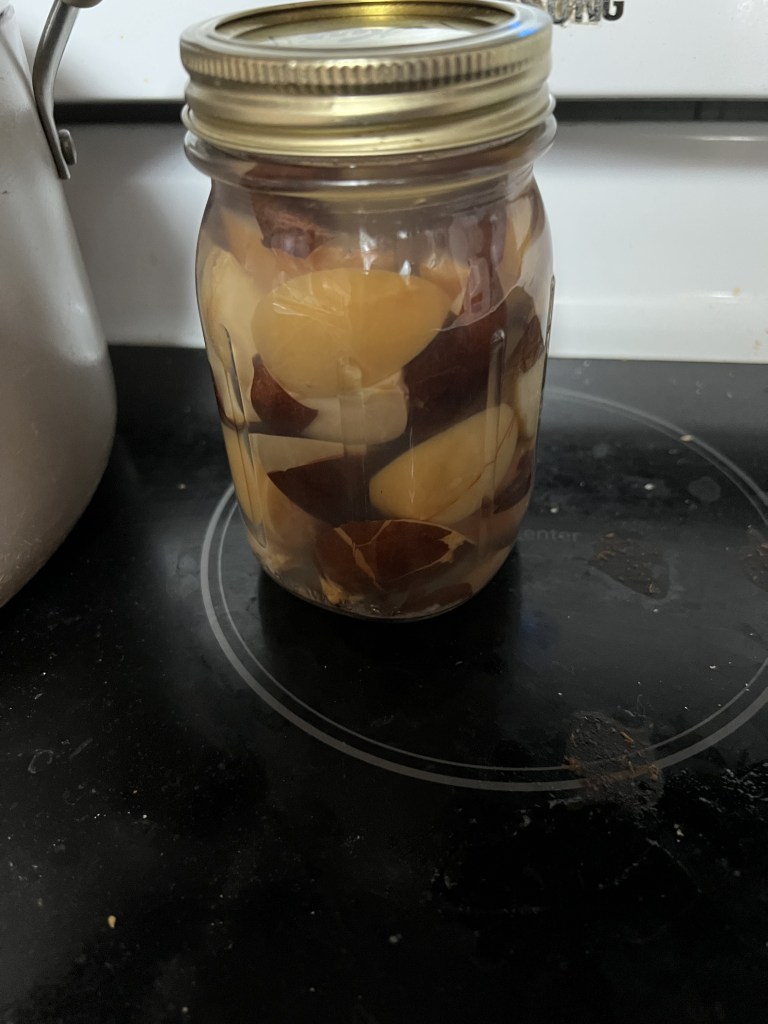
First, I started with mordanting the different fabrics. Once the mordanting was completed, I let the fabrics cure for 7 days. The night before I wished to dye my fabrics, I chopped up frozen avocado pits and boiled them in water for 30 minutes. Then, poured this mixture into a glass jar and let it soak overnight to allow for a deeper color extraction in the morning. When the morning came, I scoured my fabrics in warm water for 2-3 hours. While this occurred, I simmered the avocado pits (removed from the jar) in a pot of fresh water for 2 hours. In a separate pot, I simmered the avocado skins for 3 hours. After the simmering was complete, I strained the two dye baths for use. Each swatch was placed in their separate dye baths and steamed for 3 hours. Then, I let the swatches soak overnight. Finally, I was able to drain, rinse, and air dry the swatches.
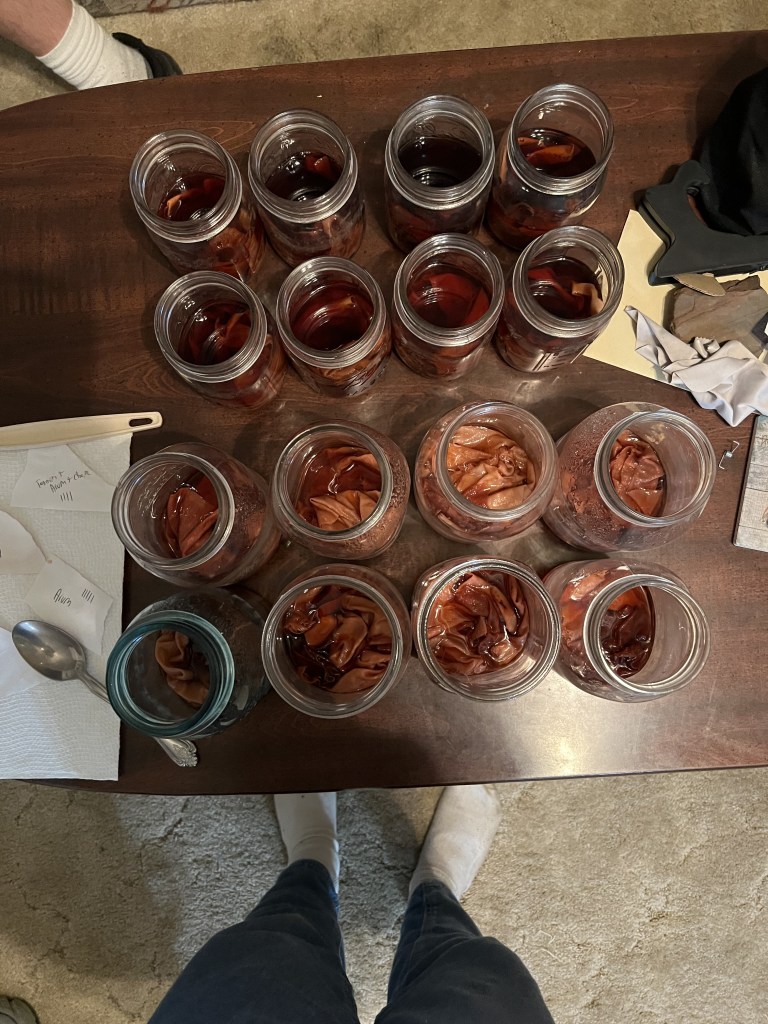
I let the swatches cure for one week before testing them for color fastness. Once the swatches were ready, I cut pieces off to wash them with acid neutral soap. After this, I cut off pieces to test in sunlight: one set for 1 hour in sunlight, the other set for 3 hours in sunlight. The swatches tested in sunlight were washed after exposure.
Avocado Pits: The Results
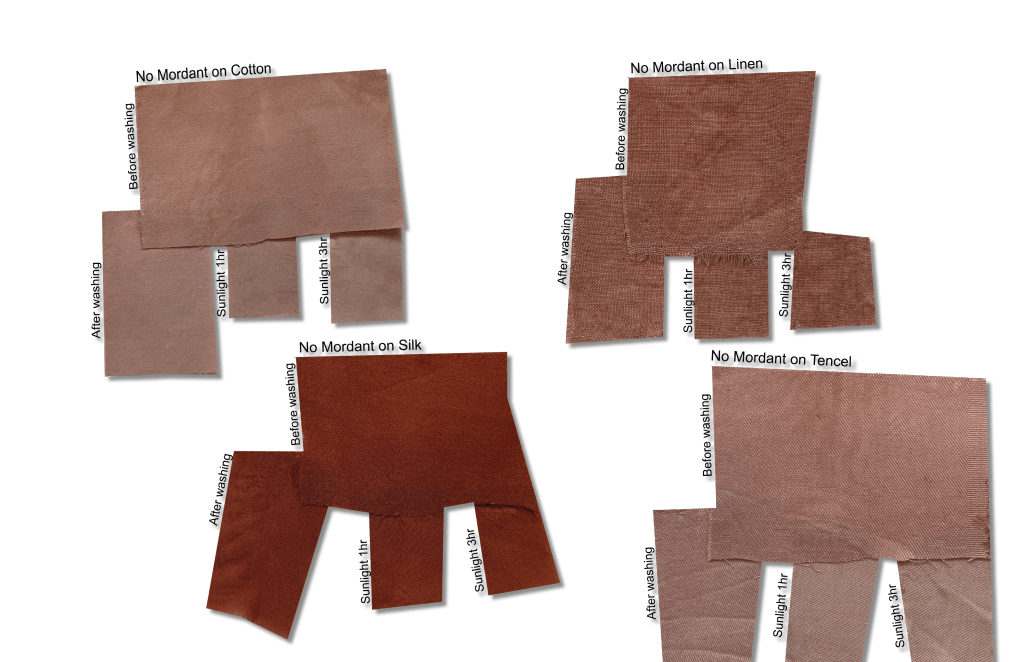
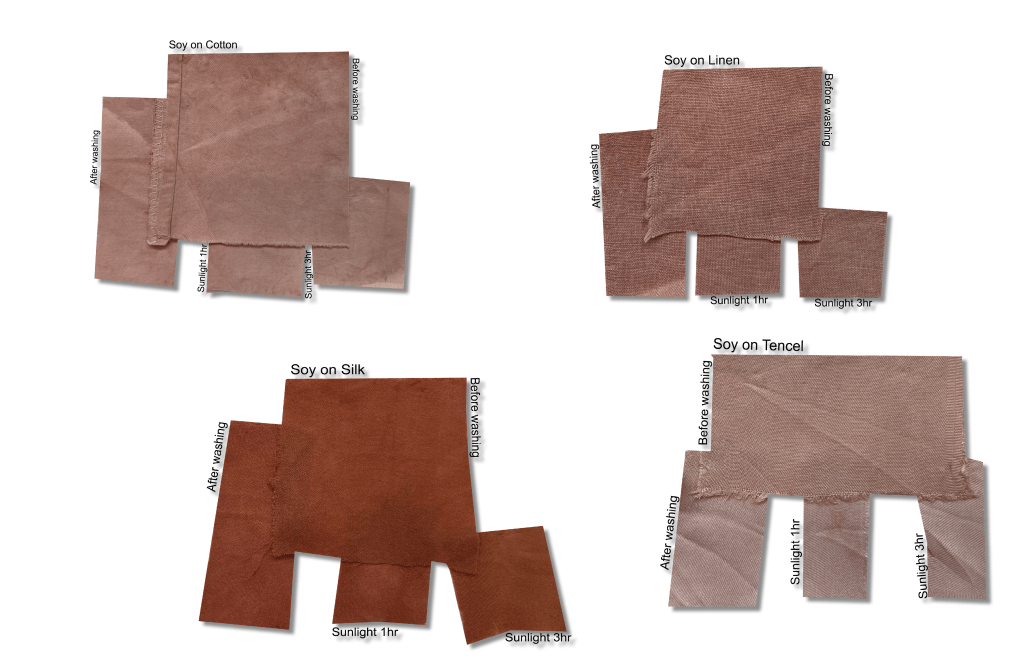
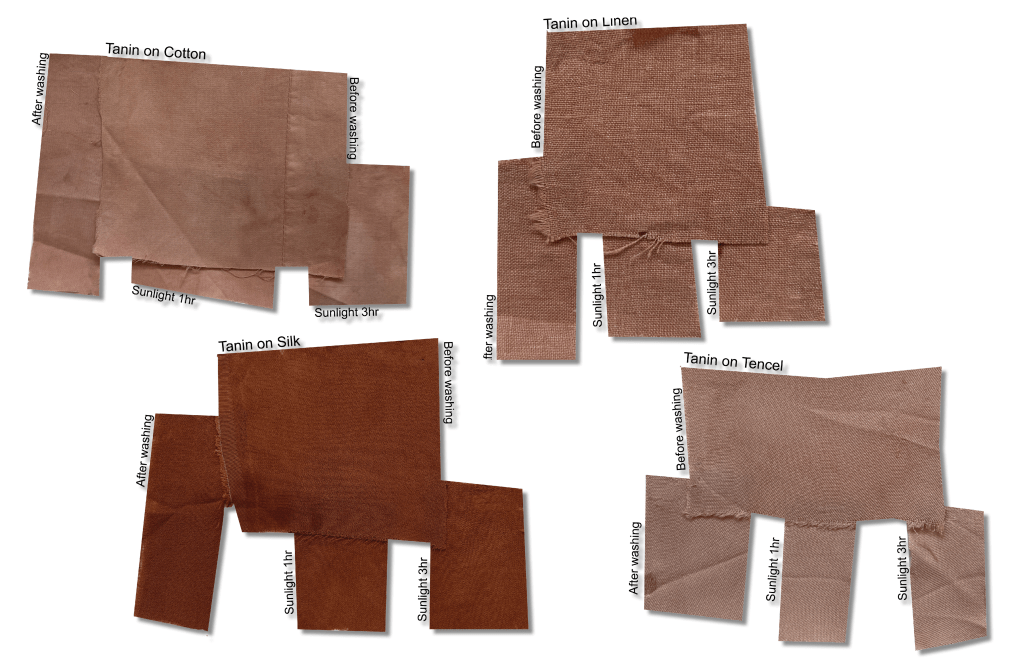
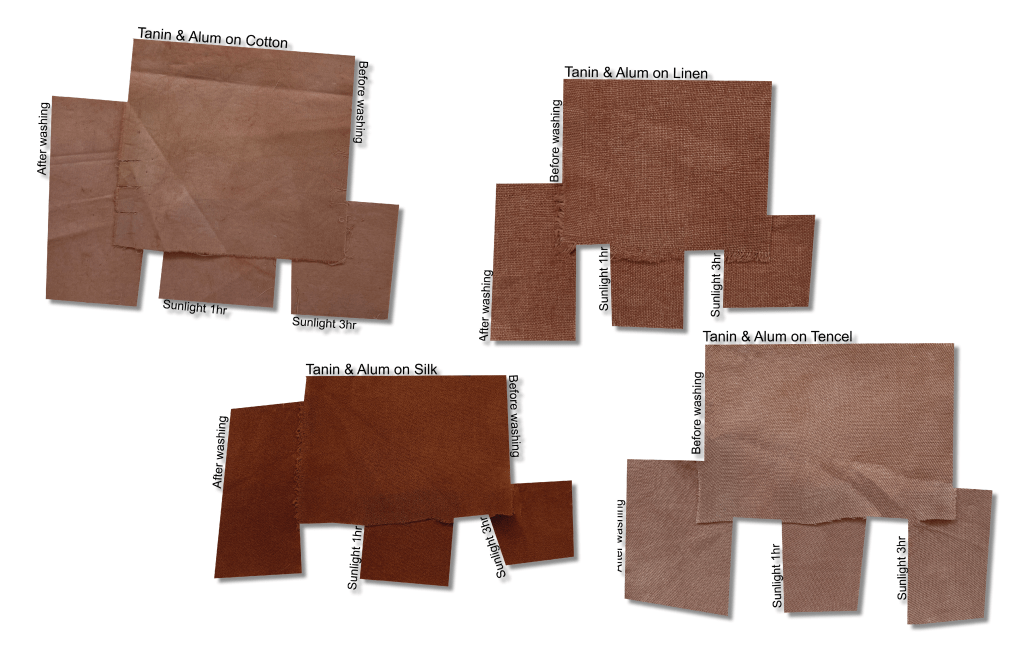
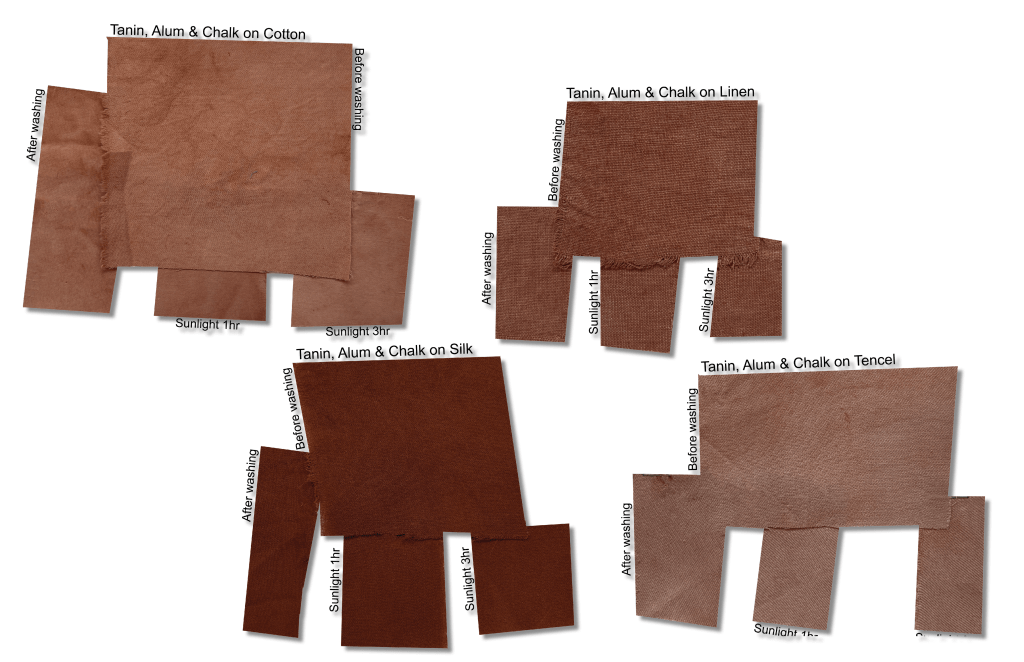
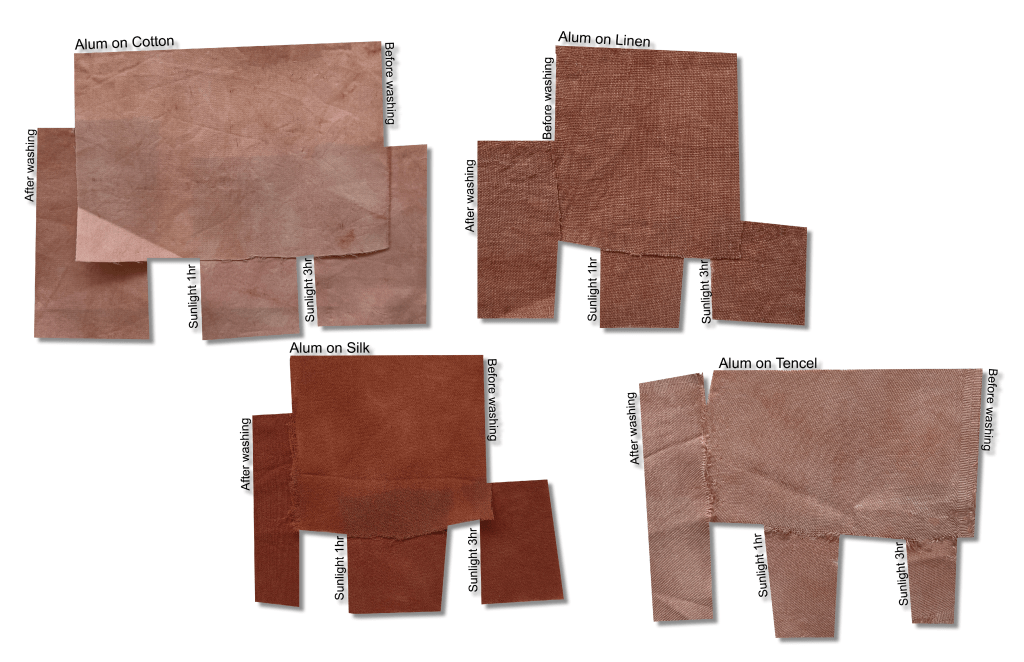
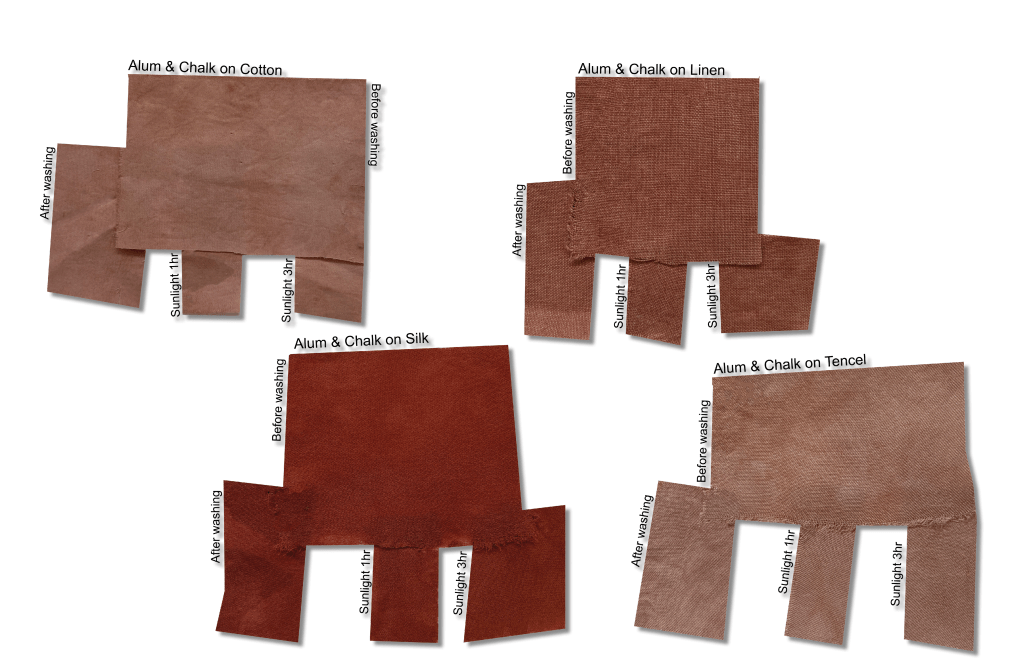
Out of all the mordanting methods used, alum & chalk were the most effective at getting a pink color for cotton, Tencel, and linen. The initial color intake with this method was good for a pink color, as was the color retention. The combo of tannin, alum, and chalk was an effective mordanting method for all of the fabrics, but the colors turned out to be more brown than pink due to the high amount of tannin. Silk worked extremely well with all of the methods, including without a mordant. While the silk swatches turned out to be very red, diluting the dye bath should achieve a nice pink color.
Avocado Skins: Results
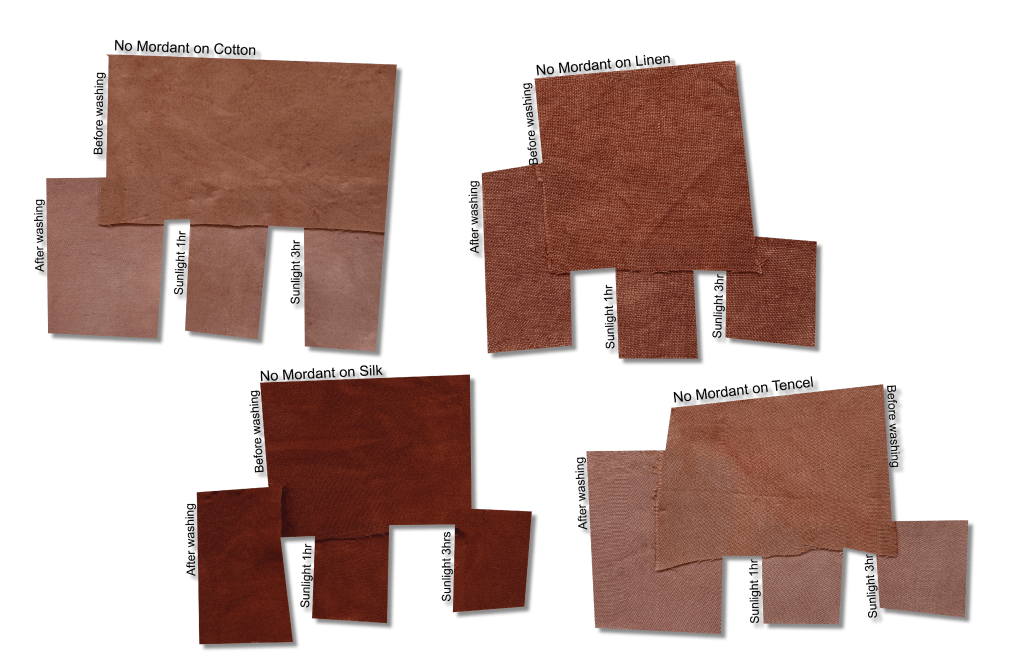
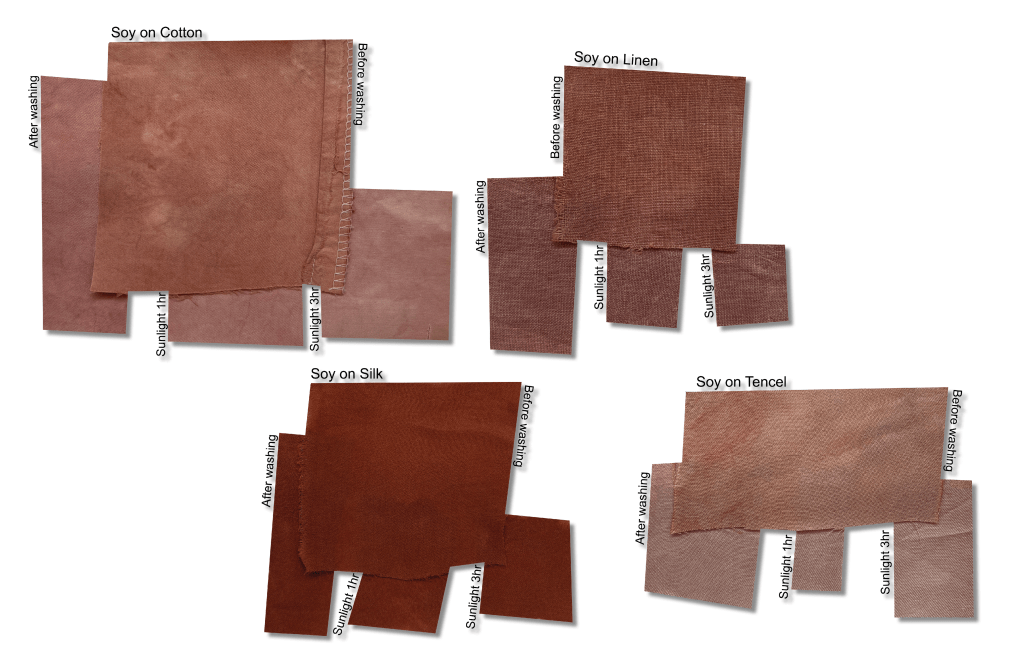
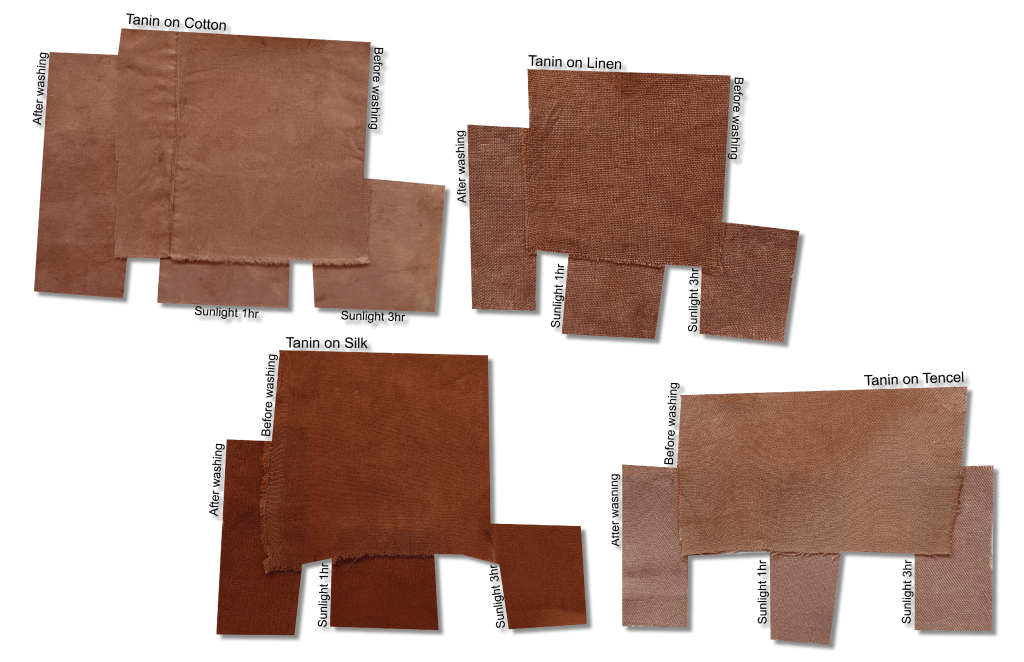
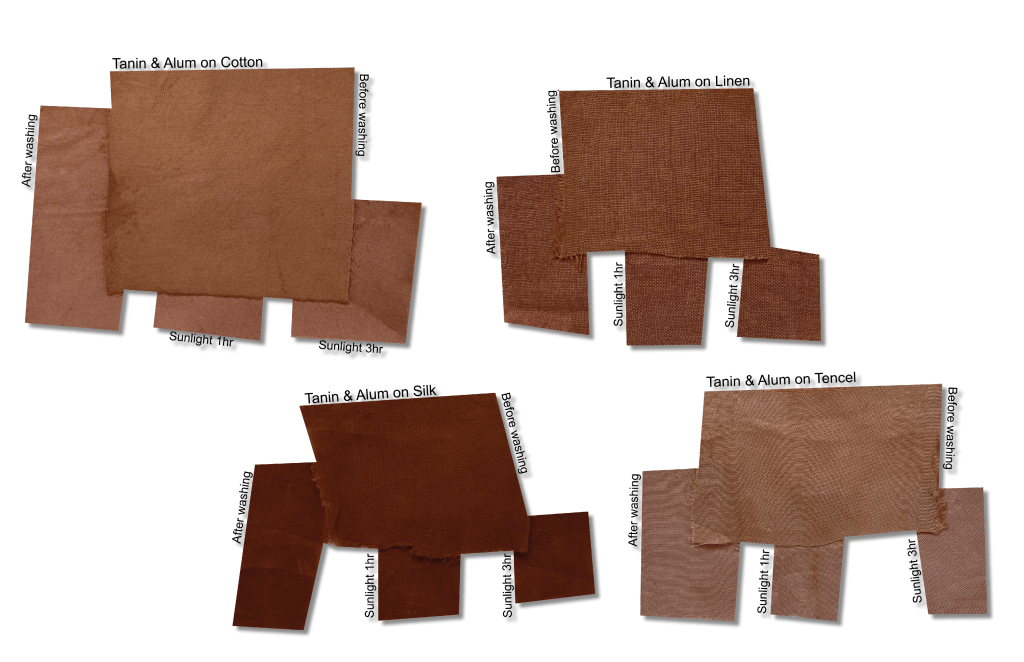
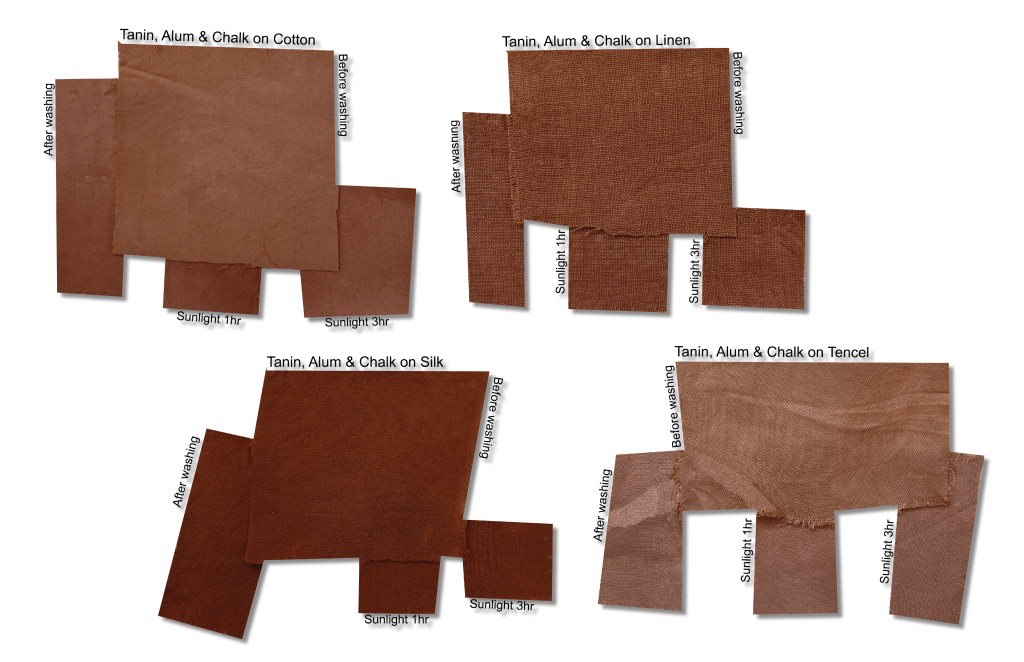
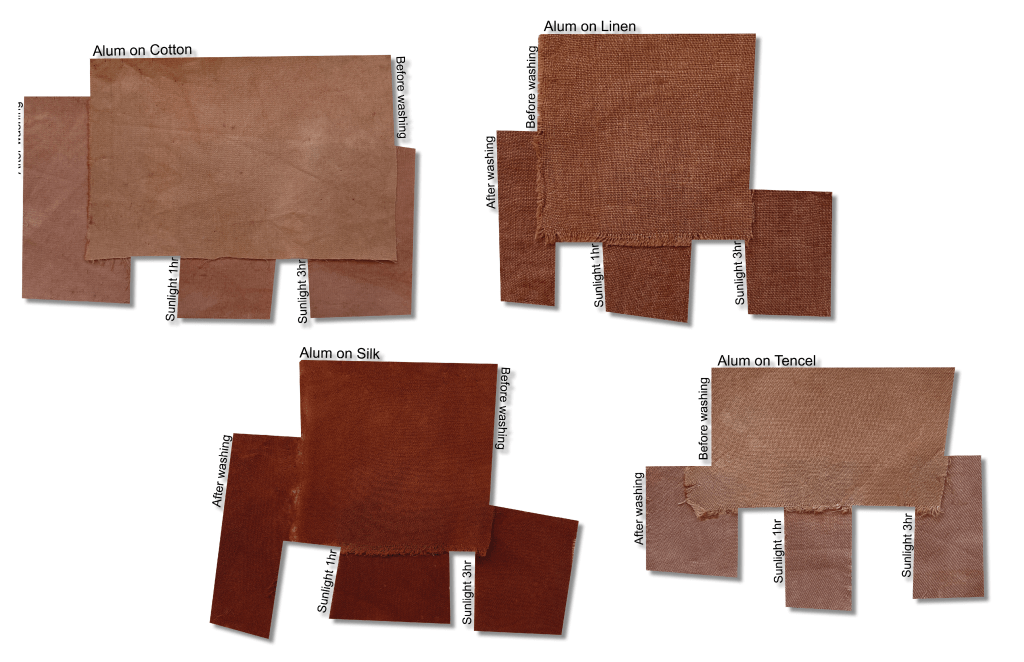
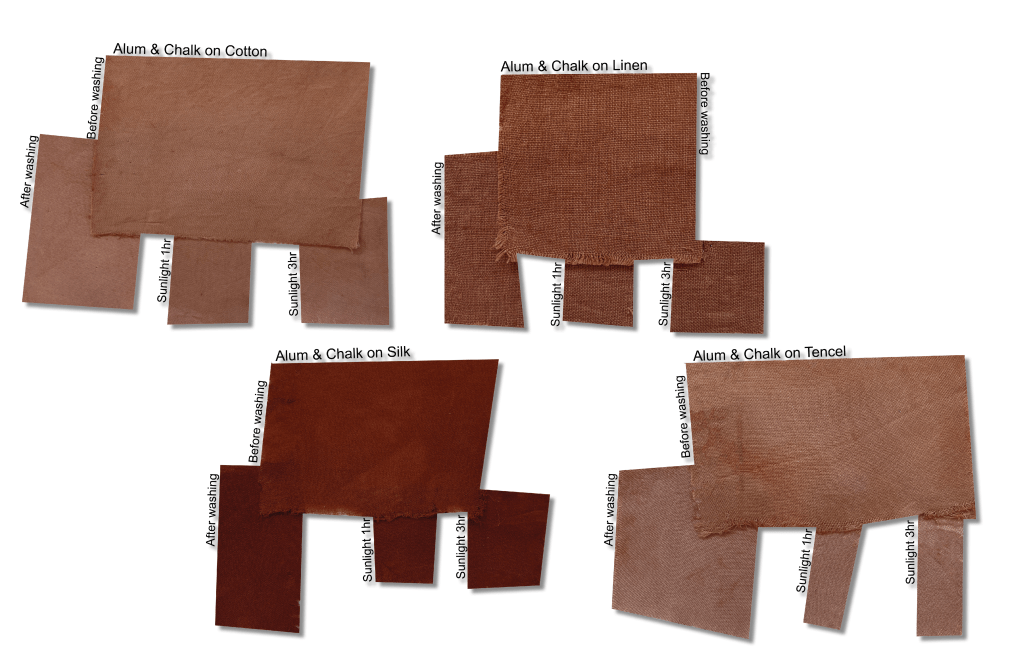
For avocado skins, alum & chalk was also the most effective mordanting method on cotton, Tencel, and linen for achieving a pink color. The tannin, alum, & chalk mordanting method had the same effect as it did for the avocado pits (making the colors more brown, but retaining color well). The color produced by avocado skins is very similar to that produced by avocado pits; the color is just slightly more warm and saturated from avocado skins than it is for avocado pits. Silk also took the color more deeply than the rest of the fabrics and retained color well even without mordants. Diluting the dye bath for the silk should achieve a warm pink hue.
 Fashioned by Bethany